Back Page, November 2026
10 Years Ago
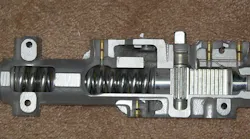
Tom Brighman’s article, Access Control Cards & Credentials: The Key to Increased Profits, gave a still valuable today overview of the evolving technology. Read at www.locksmithledger.com/12264514. “Credentials Then and Now” looked at the evolution from magnetic stripe to Wiegand to smart cards, NFC and Bluetooth. Tim O’Leary’s “Retrofit Hardware Opportunities” recommended add-on security products for commercial accounts. Locksmith Ledger checked out the new one-piece PEC910 exit device from Arrow. Allan Colombo took an early look into home automation, writing about the locksmith’s role in smart homes. Gale Johnson checked out the Yale nexTouch standalone keypad lock. Johnson also wrote about choosing power supplies for access control applications. A downloadable chart provided key cutting information for popular electric switches often found on stationary machinery.
20 Years Ago
Ilco introduced their TKO 2nd generation automotive programming tool. Jerry Levine reported on the Advanced Diagnostics AD30 transponder coil detector. Gale Johnson provided a comparison listing of code card numbers made by Ilco and HPC. Bill Neff wrote an article which described a new programming tool called Genie which could program cars with unusual transponder systems such as BMW, Mercedes and Range Rover. Tom Gillespie suggested boosting sales by adding impulse items in your showroom. Levine installs a Baldwin Ashton two-point lockset. Tim O'Leary reported on the narrow stile Trilogy lockset by Alarm Lock. O'Leary also offered some opinions on power supplies. Johnson explained home standard pin tumbler locks are susceptible to bumping. Dorma introduced their new SKC system for key control. Levine wrote an extensive cross reference listing for transponder keys. The first part of a Hyundai F0001-F2500 code series was printed.
400+ Sargent IN20 Locks
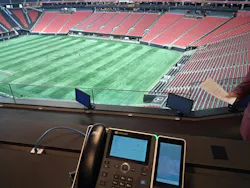
This was the estimate for the number of electronic locks installed at Mercedes Benz stadium in Atlanta, the xxx-seat home of the Atlanta Falcons and many other sporting and entertainment events. Touring the stadium with Mercedes-Benz Senior Director of Security Greg Overstreet and an ASSA ABLOY group during GSX 2026,
When Mercedes-Benz Stadium was under construction, ASSA ABLOY saw an opportunity to introduce a new approach to access control. In 2015, ASSA ABLOY connected with the stadium’s technology contractor, IBM, and demonstrated ASSA ABLOY’s Sargent IN120 WiFi lock, showing how IP-based access control could move beyond traditional systems. The technology quickly gained attention and ultimately led to more than 400 Sargent IN220 PoE locks being installed throughout the stadium, including back-office and administrative spaces and even owner Arthur Blank’s office. ASSA ABLOY’s mechanical door hardware is also used throughout the stadium, with electrified hardware deployed where PoE access control wasn’t practical. The project is believed to have been the first deployment of PoE locks at a professional stadium in the U.S.
On this stadium security tour, we visited the game day command center, the press room, some of the suites, the full-time operation center and even a makeshift, jail-like holding room used when fans breaking the law need to be held for police questioning.
The technology used to keep visitors and athletes secure goes well beyond door hardware, encompassing weapons detection scanners, drones, video surveillance that can track a fan from the moment they scan their ticket through their gameday experience. Through “social media crawlers” and video tracing, folks who cause problems or post threats from the stands can be pinpointed and removed.