Vats Bypass Adaptors
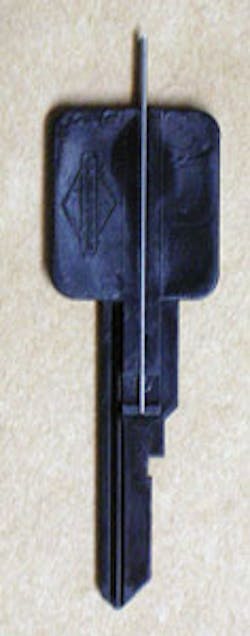
VATS and PASSKey I/II, one of the pioneer anti-theft systems, is slowly coming to its end. For the 2005 model year, only one General Motors vehicle, the Buick Century, will be equipped with the resistor pellet in the key-based anti-theft system. That is for the non-fleet sales of General Motors vehicles sold in the United States. For the purpose of this article, we will use the term VATS to describe the resistance pellet-based anti-theft system. The term VATS is the acronym for Vehicle Anti-Theft System.
The VATS key-operated security system uses a modified ignition lock and a key with a resistance pellet mounted into the shoulder. The anti-theft system's requirements are two parts. First, the cuts in the key must be correct to operate the mechanical lock. Second, the resistance pellet must match the resistance value of the electronic system to operate the car. The security system is invisible; the operator of the car does not have to do anything special to either turn on or off the system.
The components of the anti-theft system which affect locksmiths are the keys and the ignition locks. Each key has a resistor pellet secured into the shoulder between the bitting and the bow. The ignition lock has two contacts built into the plug which make contact with the key's resistor pellet, completing a circuit. In order to operate the vehicle, the resistance read from the key's pellet must match the resistance value for the ECM (anti-theft) module.
The original system was designed to have a total of 15 different resistance values. This way, every VATS-equipped car would have the option of using one of the 15 values. Over the years, the first value was eliminated, reducing the number to 14. Even with 14 values, the average time to decode the system is 30 minutes to one hour.
When a VATS key is inserted into the ignition and turned to the "Start" position, several things happen. An ignition signal is received at the module. In turn, the module sends out current through the wiring to the resistor pellet in the key and back to the module. If the resistance value matches, the relay in the starter circuit activates, permitting the starter to operate. At the same time a second coded signal is sent to the ECM, enabling the fuel system to operate. The engine will then be able to start and run.
If a correctly cut key with an incorrect resistor pellet attempts to start the car or a thief attempts to force the lock, the starter motor and the fuel system will not activate. When a wrong resistance value is tested, the system has a down time of between three and four minutes. This means that after each wrong key tested, the wait period is three to four minutes. Less than four minutes is possible if the instrument panel in the car counts down the time.
In 1986, when the system was introduced, the keyway for the VATS-equipped vehicles was the single-sided key with the "A" keyway. The VATS key blade is slightly longer than the standard "A" keyway key. The code series for all single-sided VATS equipped cars is the same as for non-VATS equipped vehicles. However, no matter the code series, the single-sided VATS key always is the "A" keyway. The double-sided VATS key was introduced for the 1995 model year. The double-sided VATS key blanks are the standard car key with the pellet. The VATS-equipped cars use the same key codes as the non-VATS-equipped vehicles.
General Motors tool suppliers and several locksmith tool companies began introducing "Interrogator" Tools, designed to interrogate the car's electronics to determine the resistance pellet value. The "Interrogator" Tools would connect to the two lead VATS wires at the base of the steering column. The purpose of these tools was to separate the mechanical from the electronic systems. This eliminated the need to cut VATS keys with different resistance pellets to the same bitting in order to test the system. Then, a mechanical key could be used to operate the ignition lock and the "Interrogator" Tool could provide the resistance value in order to start the engine. To test the system, the ignition had to be rotated to the "Start" position.
As an alternative, a locksmith could purchase a VATS ignition lock and one of each resistor pellet value key blanks. The single-side VATS ignition lock could be the STRATTEC 700754 or 701285. This VATS ignition lock would be connected at the base of the steering column, and the 14 or 15 key blanks would provide the resistance values.
To test the system, a key must be cut to the key code. Using a VATS key blank would be expensive as the correct key could be one of 14. A "test" key blank was developed that allowed a VATS-equipped ignition lock to be mechanically operated. (A standard key blank blade was not long enough to completely enter the keyway). The test key blanks for the single-sided VATS equipped vehicles are the Barnes B62A, Ilco P1098AV, Ilco EZ B62, Jet B62-NP, and STRATTEC 321631. For the double-sided ignition locks, any double-sided metal headed car key blank could be used. The test key blanks for the double-sided VATS-equipped vehicles are the Barnes B86, Ilco P1106, Ilco EZ B86, Jet B86-NP, and STRATTEC 322465. The resistance values are the same for the single- and double-sided keys.
These methods worked pretty well until the 1990 model year, when General Motors introduced the 48- pin connector on two of their "C" - body cars. The 48-pin connector replaced several smaller connectors attaching the steering column wiring to the vehicle wiring harness. The VATS ignition wires mounted into locations 12 and 13 in the 48-pin connector. On these vehicles, only the air bag restraint system power wires are a separate connector. The cars equipped with VATS also required a special ignition lock using copper clips instead of the black plastic connector.
The use of the 48-pin connector expanded onto more models of 1991 General Motors cars, the Buick Riviera, Buick Park Avenue, Buick Park Avenue Ultra, Cadillac Deville, and Oldsmobile 98. This expanded use continued to 1995, when General Motors introduced the double-sided lock mechanism.
For the 1995 model year, the double-sided VATS-equipped small bow key was introduced onto the Oldsmobile Aurora and the Buick Riviera. Then, for the 1997 model year, General Motors introduced the large bow double-sided VATS-equipped key onto the Chevrolet Corvette. No additional models were introduced with VATS.
To interrogate a vehicle equipped with the 48-pin connector, there were two options. The first was to purchase a special adapter that was placed between the two halves of a separated 48-pin connector. As an alternative, VATS interrogator and decoder manufacturers have developed methods to determine the resistance value using a tool that enters the keyway and makes a connection with the two contacts in the keyway of the ignition lock. This method alleviates the need of the adapter and to separate the two halves of the 48-pin connector.
For this article, we will discuss two alternative tools that can be used in the interrogation process for cars equipped with the 48-pin connector. Both of these tools eliminate the need to disconnect the VATS 48-pin connector in order to make the electrical connection.
STRATTEC's Adapter Keys are plastic key blanks that have two metal rods extending from the sides of the blade above the key bow. Part numbers are 595872 (single-sided) and 597279 (double-sided). When a STRATTEC Adapter Key is cut to the key code and inserted into the keyway of the ignition lock, the metal rods touch the contacts in the ignition lock, and the rods extend from the key bow enough to attach to a connector from an interrogator or a second VATS ignition lock. In this condition, the system can be interrogated.
The Tech-Train TT-4002 VATS ByPass Adaptor is designed to work in conjunction with a metal head key. It has a standard VATS connector on one end of the wire and two insulated conductive plates that are about the size of a key bow with two projections on the other. The metal head "test" key is cut to the key code. The key is inserted into the adaptor with the projections in the same direction as the key blade. The key/adaptor is inserted into the ignition lock. The two projections touch the contacts in the ignition lock. The connector is then attached to an interrogator or a second VATS ignition lock, and the system can be interrogated.
The charts (below) list General Motors vehicles that have been and are equipped with the Vehicle Anti-Theft System by model year. Single-sided keys are indicated with the letter "S", double sided keys are indicated by the letter "DS", and large bow double-sided keys are indicated by the letters "DL". The number "48" following the key identifier indicates the use of the 48-pin connector. *not including the Cutlass Ciera models
For more information regarding the Tech-Train TT44002, contact Lockmasters, Inc., 5085 Danville Road, Nicholasville, KY 40356. Telephone: 800 654-0637. Website: www.lockmasters.com.
For more information regarding the Adapter Keys, contact STRATTEC Security Corporation, 3333 West Good Hope Road, Milwaukee, WI 53209. Website: www.aftermarket.STRATTEC.com.
| MAKE/MODEL | Model Years | ||||||
| 1986 | 1987 | 1988 | 1989 | 1990 | 1991 | ||
| Buick Century | |||||||
| Buick LeSabre | |||||||
| Buick Park Avenue | S48 | ||||||
| Buick Reatta | S | S | |||||
| Buick Regal | |||||||
| Buick Riviera | S | S | |||||
| Buick Roadmaster | |||||||
| Cadillac Allante | S | S | S | ||||
| Cadillac Brougham | |||||||
| Cadillac DeVille | S48 | ||||||
| Cadillac Concourse | |||||||
| Cadillac Eldorado | S | S | S | ||||
| Cadillac Seville | S | S | S | ||||
| Chevrolet Camaro | S | S | S | ||||
| Chevrolet Caprice | |||||||
| Chevrolet Corvette | S | S | S | S | S | S | |
| Chevrolet Impala | |||||||
| Chevrolet Lumina | |||||||
| Chevrolet Monte Carlo | |||||||
| Oldsmobile Aurora | |||||||
| Oldsmobile Cutlass* | |||||||
| Oldsmobile 88 | |||||||
| Oldsmobile 98 | S48 | ||||||
| Oldsmobile Toronado | S | S | |||||
| Pontiac Bonneville | |||||||
| Pontiac Firebird GTA | S | ||||||
| Pontiac Firebird | S | S | S | ||||
| Pontiac Grand Prix | |||||||
| MAKE/MODEL | Model Years | |||||||||||||||||||
| 1992 | 1993 | 1994 | 1995 | 1996 | 1997 | 1998 | ||||||||||||||
| Buick Century | DS | DS | ||||||||||||||||||
| Buick LeSabre | S48 | S48 | S48 | S48 | S48 | S48 | S48 | |||||||||||||
| Buick Park Avenue | S48 | S48 | S48 | S48 | S48 | |||||||||||||||
| Buick Reatta | S | |||||||||||||||||||
| Buick Regal | S | S | S | S | DS | |||||||||||||||
| Buick Riviera | S | S | DS48 | DS48 | DS48 | DS48 | ||||||||||||||
| Buick Roadmaster | S | S | S | |||||||||||||||||
| Cadillac Allante | S | S | ||||||||||||||||||
| Cadillac Brougham | S48 | S48 | S48 | S48 | ||||||||||||||||
| Cadillac DeVille | S48 | S48 | S48 | S48 | S48 | S48 | DS48 | |||||||||||||
| Cadillac Concourse | S48 | S48 | S48 | S48 | DS48 | |||||||||||||||
| Cadillac Eldorado | S | S48 | S48 | S48 | S48 | S48 | DS48 | |||||||||||||
| Cadillac Seville | S | S48 | S48 | S48 | S48 | S48 | ||||||||||||||
| Chevrolet Camaro | S | S | S | S | S | S | S | |||||||||||||
| Chevrolet Caprice | S | S | S | |||||||||||||||||
| Chevrolet Corvette | S | S | S | S | S | DL | DL | |||||||||||||
| Chevrolet Impala | S | S | ||||||||||||||||||
| Chevrolet Lumina | S | S | S | S | ||||||||||||||||
| Chevrolet Monte Carlo | S | S | S | S | ||||||||||||||||
| Oldsmobile Aurora | D48 | D48 | D48 | D48 | ||||||||||||||||
| Oldsmobile Cutlass* | S | S | S | S | ||||||||||||||||
| Oldsmobile 88 | S48 | S48 | S48 | S48 | S48 | S48 | S48 | |||||||||||||
| Oldsmobile 98 | S48 | S48 | S48 | S48 | S48 | |||||||||||||||
| Oldsmobile Toronado | S | |||||||||||||||||||
| Pontiac Bonneville | S48 | S48 | S48 | S48 | S48 | S48 | S48 | |||||||||||||
| Pontiac Firebird GTA | ||||||||||||||||||||
| Pontiac Firebird | S | S | S | S | S | S | S | |||||||||||||
| Pontiac Grand Prix | S | S | S | |||||||||||||||||
| MAKE/MODEL | Model Years | |||||||||||||||||||
| 1998 | 1999 | 2000 | 2001 | 2002 | 2003 | 2004 | 2005 | |||||||||||||
| Buick Century | DS | DS | DS | DS | DS | DS | DS | DS | ||||||||||||
| Buick LeSabre | S48 | S48 | ||||||||||||||||||
| Buick Park Avenue | ||||||||||||||||||||
| Buick Reatta | ||||||||||||||||||||
| Buick Regal | DS | DS | DS | DS | DS | DS | DS | |||||||||||||
| Buick Riviera | DS48 | DS48 | ||||||||||||||||||
| Buick Roadmaster | ||||||||||||||||||||
| Cadillac Allante | ||||||||||||||||||||
| Cadillac Brougham | ||||||||||||||||||||
| Cadillac DeVille | DS48 | DS48 | ||||||||||||||||||
| Cadillac Concourse | DS48 | |||||||||||||||||||
| Cadillac Eldorado | DS48 | DS48 | DS48 | DS48 | DS48 | DS48 | ||||||||||||||
| Cadillac Seville | ||||||||||||||||||||
| Chevrolet Camaro | S | S | S | S | S | |||||||||||||||
| Chevrolet Caprice | ||||||||||||||||||||
| Chevrolet Corvette | DL | DL | DL | DL | DL | DL | DL | |||||||||||||
| Chevrolet Impala | ||||||||||||||||||||
| Chevrolet Lumina | S | S | S | S | ||||||||||||||||
| Chevrolet Monte Carlo | S | S | ||||||||||||||||||
| Oldsmobile Aurora | D48 | D48 | ||||||||||||||||||
| Oldsmobile Cutlass* | ||||||||||||||||||||
| Oldsmobile 88 | S48 | S48 | ||||||||||||||||||
| Oldsmobile 98 | ||||||||||||||||||||
| Oldsmobile Toronado | ||||||||||||||||||||
| Pontiac Bonneville | S48 | S48 | ||||||||||||||||||
| Pontiac Firebird GTA | ||||||||||||||||||||
| Pontiac Firebird | S | S | S | S | S | |||||||||||||||
| Pontiac Grand Prix | ||||||||||||||||||||